







Have you ever wondered, can I insure a car not in my name? This is one of the most common questions people ask when borrowing a family member’s car, driving a friend’s vehicle, or financing a car that is registered under someone else’s name.
The short answer is yes, in some situations, but it depends on your insurance company, state laws, and whether you have an insurable interest in the vehicle.
In this guide, you’ll learn when you can insure a car that isn’t registered in your name, the legal requirements, possible exceptions, and the best alternatives if your insurer doesn’t allow it.
Want to learn more? Read our complete guide on Car Wreck Without Insurance: 2026 Guide
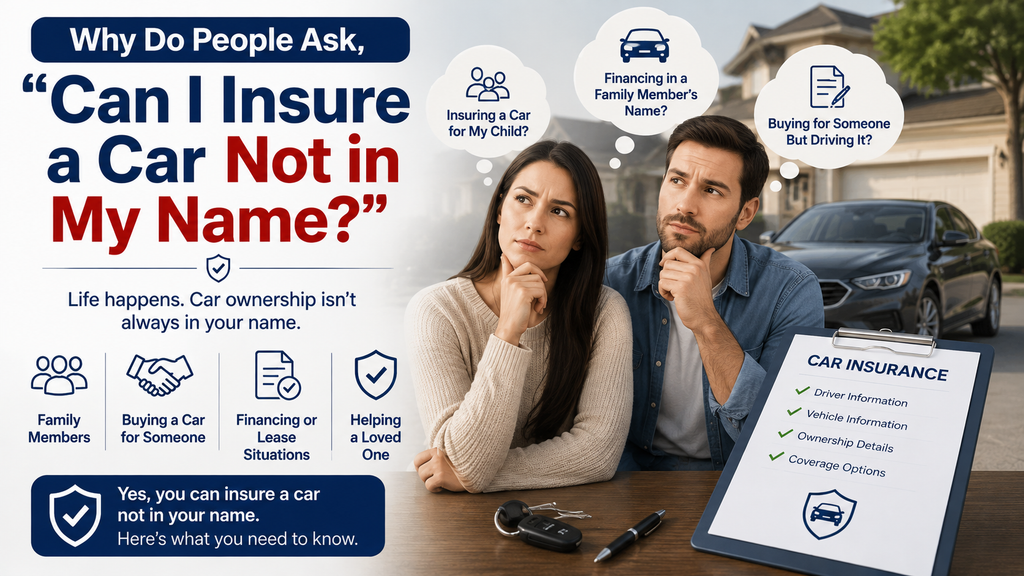
Why Do People Ask, “Can I Insure a Car Not in My Name?”
Many drivers find themselves in situations where they regularly use a vehicle they don’t legally own. This raises the question: can I insure a car not in my name without facing legal or insurance problems?
Some common situations include:
- Driving a parent’s vehicle.
- Using a spouse’s or partner’s car.
- Borrowing a friend’s car for an extended period.
- Financing a vehicle registered under another person’s name.
- Driving a company-owned vehicle.
Every insurance company has different rules, so understanding your options before buying coverage is essential.
What Does “Insurable Interest” Mean?
One of the most important concepts in auto insurance is insurable interest.
An insurable interest means you would suffer a financial loss if the vehicle were damaged, stolen, or totaled. Insurance companies usually require proof of this before issuing a policy.
For example, you may have an insurable interest if:
- You co-own the vehicle.
- You are making loan payments.
- The vehicle is used for your daily transportation.
- You are financially responsible for repairs or replacement.
Without an insurable interest, many insurers will decline your application.
Is It Legal to Insure a Car You Don’t Own?
Whether can I insure a car not in my name is legal depends on where you live and the insurance provider’s policies.
In many U.S. states, insurance companies prefer the policyholder and the registered owner to be the same person. However, some insurers make exceptions when you can prove a valid reason and demonstrate an insurable interest.
Before purchasing a policy, always ask the insurance company about their ownership requirements.
Situations Where It May Be Allowed
Some insurers may allow you to insure a vehicle that isn’t registered in your name under certain circumstances.
Family Members
If you live with your parents, spouse, or children and regularly drive the vehicle, insurers may allow coverage.
Financed Vehicles
Some lenders require insurance even if the registration details differ, provided you have a financial responsibility for the vehicle.
Shared Ownership
If multiple people share ownership or financial responsibility, obtaining insurance is often much easier.
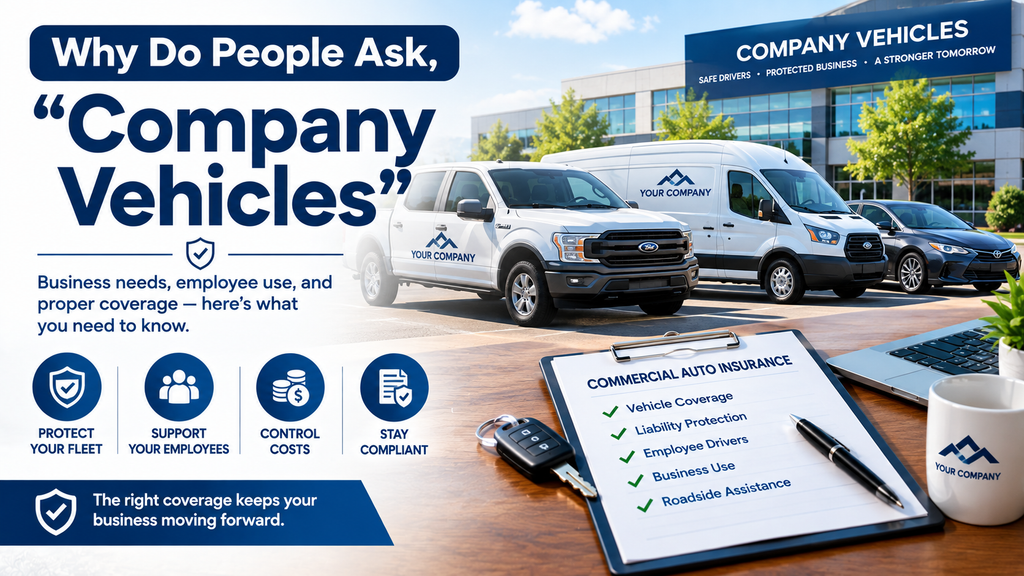
Company Vehicles
Business-owned vehicles usually require commercial insurance rather than a personal auto policy.
Common Reasons Insurance Companies May Refuse Coverage
Even if you’re asking, can I insure a car not in my name, the answer isn’t always yes. Many insurance companies have strict ownership rules to reduce fraud and avoid claim disputes.
Here are some common reasons your application may be denied.
The Registered Owner Is Different
If the vehicle title belongs to someone else and you cannot prove an insurable interest, the insurer may reject your application.
No Financial Responsibility
Insurance companies usually want the policyholder to have a financial connection to the vehicle. If you are not responsible for repairs, payments, or replacement costs, coverage may not be approved.
State Insurance Laws
Some states have stricter insurance regulations than others. Local laws may require the policyholder and vehicle owner to be the same person.

Alternatives If You Cannot Insure the Vehicle
If the answer to can I insure a car not in my name is no, don’t worry. There are several alternatives that may provide the protection you need.
Be Added as a Named Driver
The easiest solution is asking the vehicle owner to add you as a listed or named driver on their existing policy.
This option is usually cheaper than purchasing a separate policy.
Purchase a Non-Owner Car Insurance Policy
A non-owner insurance policy provides liability coverage for drivers who regularly use cars they do not own.
It is ideal for people who:
- Frequently borrow vehicles.
- Rent cars often.
- Need proof of insurance for license reinstatement.
However, it does not cover damage to the borrowed vehicle.
Transfer Vehicle Ownership
If you permanently use the car, transferring ownership into your name can make buying insurance much easier.
What Documents May Be Required?
When applying for coverage, insurers may ask for supporting documents.
Vehicle Registration
The registration helps verify ownership details.
Driver’s License
Your driver’s license confirms your identity and driving history.
Proof of Address
Some insurers require you and the vehicle owner to live at the same address.
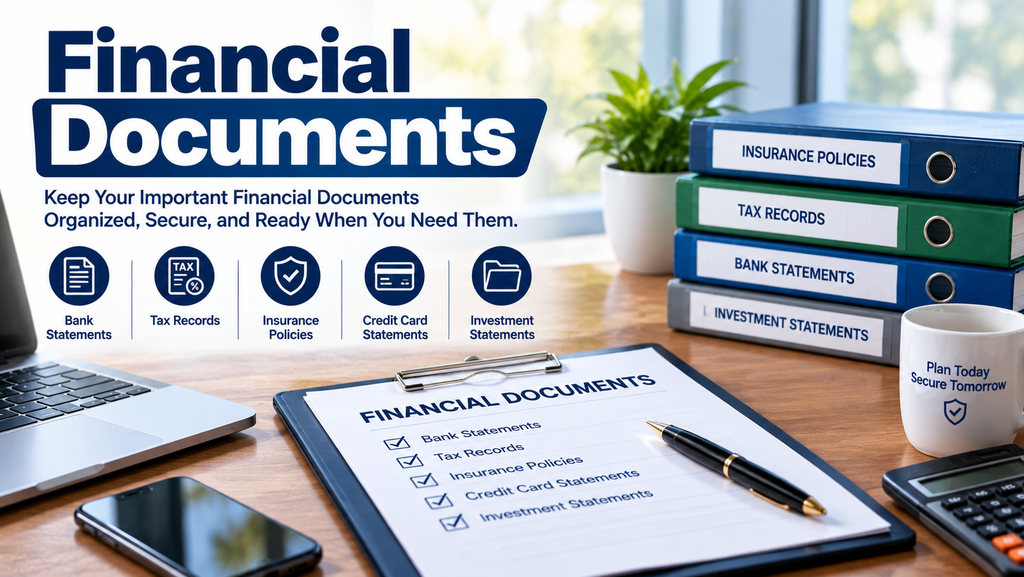
Financial Documents
If you’re financing the vehicle or making payments, documents proving your financial interest may be requested.
Does Every Insurance Company Have the Same Rules?
No. Every insurance provider has different underwriting guidelines.
Some companies are more flexible when you can prove an insurable interest, while others only insure vehicles registered in the policyholder’s name.
For this reason, it’s always smart to compare quotes and speak with an insurance representative before purchasing coverage.
Tips Before Buying Insurance
Before applying, keep these tips in mind:
Compare Multiple Companies
Different insurers have different ownership requirements, so comparing quotes increases your chances of approval.
Explain Your Situation Clearly
Tell the insurer why the vehicle isn’t registered in your name and provide any supporting documents they request.
Read the Policy Carefully
Always review the policy terms to understand who is covered, what is excluded, and whether ownership affects future claims.

Common Mistakes to Avoid
If you’re wondering, can I insure a car not in my name, avoid these common mistakes before buying a policy.
Hiding the Vehicle Owner
Never tell an insurance company that you own the vehicle if you don’t. Providing false information can result in claim denial or policy cancellation.
Ignoring State Laws
Insurance requirements vary by state. Always check your local regulations before purchasing a policy.
Choosing the Cheapest Policy Only
A low premium may look attractive, but it may not provide enough protection. Compare coverage, deductibles, and customer service—not just price.
Forgetting to Compare Quotes
Different insurance companies have different rules regarding ownership. Comparing quotes can help you find a provider that fits your situation.
Real-Life Examples of Insuring a Car You Don’t Own
Understanding can i insure a car not in my name becomes easier with real-life examples. Here are a few common situations.
Example 1: College Student Using a Parent’s Car
Sarah is a college student who drives a car registered in her father’s name. Since she lives at the same address and uses the vehicle daily, her father adds her as a named driver on the existing insurance policy. This is one of the easiest and most common solutions.
Example 2: Borrowing a Relative’s Vehicle
John regularly drives his sister’s car because his own vehicle is being repaired. Instead of purchasing a separate policy, he is added as an additional driver. This ensures he has proper coverage whenever he uses the car.
Example 3: Financing Someone Else’s Vehicle
Michael helps make monthly payments on a vehicle registered in his mother’s name. Because he has an insurable interest, some insurance companies may allow him to purchase coverage after reviewing the necessary documents.
Final Tips Before Buying Auto Insurance
Before choosing any policy, remember these simple tips:
- Compare quotes from at least three insurance companies.
- Ask about ownership requirements before applying.
- Keep all registration and financial documents ready.
- Read the policy carefully before signing.
- Never provide false ownership information.
- Review your policy every year to make sure it still meets your needs.
Following these steps can save you money and help avoid claim problems in the future.
Expert Recommendation
If you’re still asking, can i insure a car not in my name, the safest approach is to contact the insurance company directly before purchasing a policy. Every insurer has different rules, and getting confirmation in advance can prevent delays or rejected applications.
Whether you’re driving a family member’s vehicle, financing someone else’s car, or borrowing a vehicle long-term, understanding your options will help you choose the right insurance coverage with confidence.

Final Thoughts
So, can I insure a car not in my name?
The answer is yes—but only in certain situations.
If you can prove an insurable interest, regularly drive the vehicle, or meet your insurer’s ownership requirements, you may be able to obtain coverage. Otherwise, options like being added as a named driver or purchasing non-owner car insurance may be better solutions.
Before buying any policy, compare multiple insurance providers, understand your state’s laws, and read the policy carefully. Taking these steps can help you avoid claim issues and choose the right protection.
For more information about car insurance options, check out our complete guide on Can I Insure a Car Not in My Name?
Frequently Asked Questions
Can I insure a car not in my name if it’s my parent’s vehicle?
Yes, many insurance companies allow this if you live in the same household or have an insurable interest in the vehicle.
Can I insure my spouse’s car?
In most cases, yes. Married couples are often listed on the same auto insurance policy, depending on the insurer.
Can I insure a friend’s car?
Usually not, unless you can prove an insurable interest or the insurer offers an exception.
What is non-owner car insurance?
Non-owner car insurance provides liability coverage for drivers who regularly use vehicles they don’t own. However, it doesn’t cover damage to the borrowed vehicle.
Will all insurance companies allow this?
No. Every insurer has different underwriting rules, so it’s important to compare companies before applying.
