





Creating and publishing content can be a rewarding business, but it can also expose companies and professionals to legal claims. Media Liability Insurance can help protect eligible businesses from certain claims related to the content they create, publish, or distribute.
Whether you operate a digital marketing agency, production company, newspaper, magazine, podcast, blog, or online media business, understanding this coverage can help you manage potential financial risks.
What Is Media Liability Insurance?
Media Liability Insurance is a type of business insurance designed to help protect media professionals and companies against certain claims arising from their content or communication activities.
For example, a business could face allegations involving defamation, copyright infringement, invasion of privacy, or other content-related issues. Therefore, appropriate coverage can help with certain covered legal defense costs and other eligible expenses, subject to the policy’s terms, limits, and exclusions.
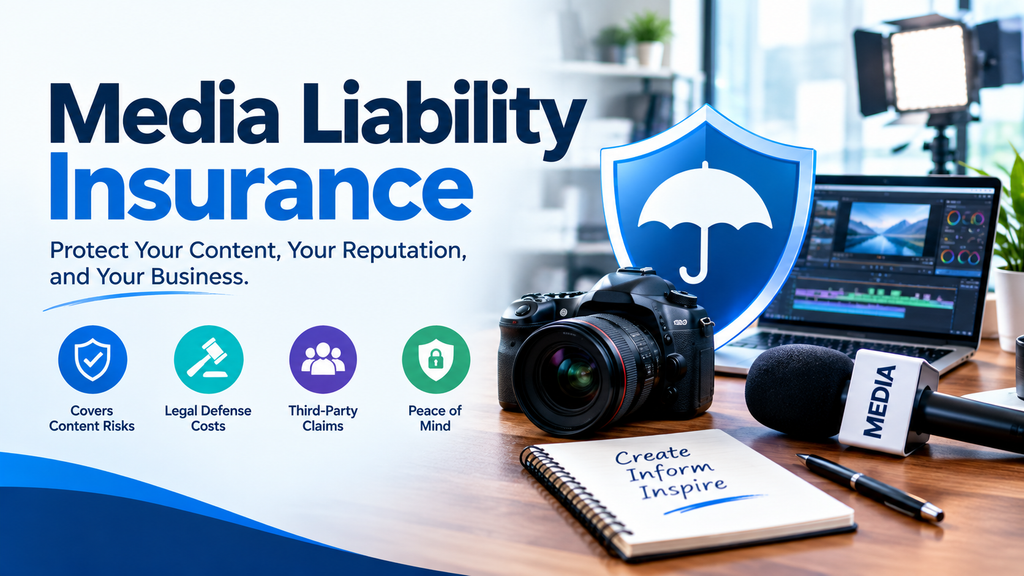
Who May Need Media Liability Coverage?
This type of coverage may be relevant to many businesses and professionals that create, publish, or distribute content.
Businesses That May Consider This Coverage
Common examples include:
- Digital publishers
- Bloggers and online content creators
- Advertising agencies
- Public relations companies
- Marketing agencies
- Newspapers and magazines
- Television and radio businesses
- Film and video production companies
- Podcasting businesses
- Social media companies
- Website publishers
However, every business has different risks. A freelance writer, for instance, may have different insurance needs than a large video production company.
Why Is Media Liability Coverage Important?
Content-related disputes can become expensive, especially when they involve legal representation, settlements, or other defense expenses. Media Liability Insurance can help eligible businesses manage certain financial risks associated with covered media-related claims.
Moreover, even businesses that carefully review their content before publication can still face allegations from individuals, customers, competitors, or other organizations. Therefore, having appropriate Media Liability Insurance coverage may provide an additional layer of financial protection, depending on the policy terms.
Protection From Content-Related Claims
Media businesses regularly publish articles, photographs, videos, advertisements, podcasts, and social media content. Consequently, they can face risks associated with the material they create or distribute. Media Liability Insurance is specifically designed to address certain risks associated with these media and content activities.
For example, someone could claim that published content damaged their reputation or violated their rights. Depending on the policy, Media Liability Insurance may provide coverage for eligible defense costs and other covered expenses.
Helps Manage Business Risk
Legal disputes can create financial pressure, particularly for small businesses and independent professionals. Therefore, having suitable insurance can be an important part of a broader risk-management plan. Media Liability Insurance can be one component of that strategy for businesses exposed to content-related claims.
Keep in mind that coverage varies between insurers. Policy limits, exclusions, deductibles, and conditions determine what a particular policy actually covers.
Common Risks for Media Businesses
Media companies can face several different types of risks depending on their work. Understanding these risks can help businesses determine whether Media Liability Insurance may be appropriate for their operations.
Defamation
Defamation allegations may arise when someone claims that published statements were false and harmed their reputation. Depending on the policy, Media Liability Insurance may help with certain covered claims and related defense expenses.
Copyright Infringement
Using photographs, videos, music, graphics, written material, or other creative works without appropriate rights can lead to copyright disputes. Consequently, businesses should understand how their Media Liability Insurance policy addresses applicable copyright-related claims.
Privacy-Related Claims
Publishing personal information, photographs, recordings, or other private material can potentially lead to privacy-related allegations. Therefore, businesses should review whether their Media Liability Insurance includes applicable privacy-related coverage and understand any exclusions or limitations.
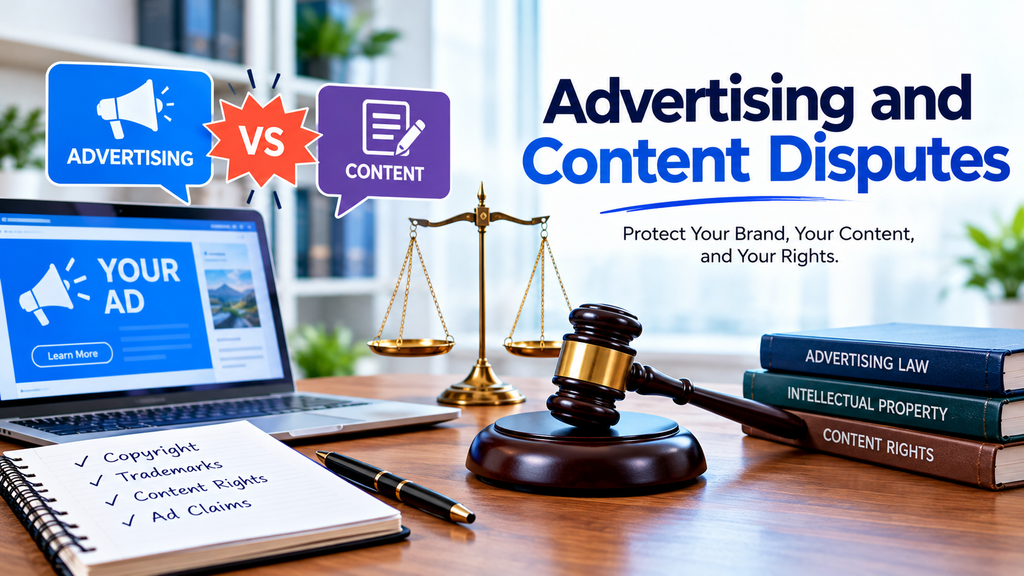
Advertising and Content Disputes
Advertising agencies and publishers may also encounter disputes involving advertisements, promotional content, or statements made about products and services.
Because these risks vary, businesses should evaluate their specific activities when considering insurance coverage.
What Does Media Liability Insurance Cover?
The coverage provided by a policy depends on the insurer, policy wording, limits, and exclusions. However, many policies are designed to address several risks associated with creating, publishing, or distributing media content.
Defamation Claims
Defamation claims can occur when someone alleges that published content made false statements that damaged their reputation.
For example, an article, video, podcast, or social media post could become the subject of a legal dispute. Depending on the policy, certain defense costs and other covered expenses may be included.
Copyright Infringement
Media businesses frequently use photographs, videos, music, written content, graphics, and other creative materials.
As a result, copyright disputes can become an important concern. Some policies may provide coverage for certain copyright-related claims, subject to applicable exclusions and conditions.
Invasion of Privacy
Publishing personal information, photographs, recordings, or other private material may lead to privacy-related allegations.
Therefore, businesses should understand whether their policy addresses these types of claims and what limitations may apply.
Advertising-Related Claims
Advertising agencies, publishers, and marketing companies can face claims related to promotional content.
Depending on the policy, certain advertising-related allegations may be covered. However, businesses should review the policy wording rather than assuming every advertising dispute is included.
What Is Usually Not Covered?
No insurance policy covers every possible risk. In addition, exclusions can vary between insurers.
Common exclusions may include:
- Intentional wrongdoing
- Certain criminal acts
- Known claims or circumstances
- Some contractual disputes
- Certain intellectual property disputes
- Claims specifically excluded by the policy
- Losses that exceed the policy limits
Why Policy Exclusions Matter
A policy may look suitable based on its headline coverage, but the exclusions can significantly affect the protection it provides.
Therefore, businesses should read the policy documents carefully before purchasing coverage. If a particular exclusion is unclear, asking a licensed insurance professional for clarification can help.
Media Liability vs. General Liability Insurance
These two types of insurance can address different business risks.
General liability insurance commonly focuses on risks such as bodily injury, property damage, and certain personal or advertising injury claims.
Media liability coverage, by contrast, is more specifically associated with certain claims arising from media and content activities.
Can a Business Need Both?
Yes, depending on the business and its operations.
For example, a production company may face risks related to its published content while also having a physical workplace, equipment, employees, or customers. Consequently, one type of coverage may not address every risk the business faces.
The appropriate insurance combination depends on the company’s activities, contracts, clients, and overall risk exposure.
Who Should Consider This Coverage?
Media-related insurance may be worth exploring for businesses that regularly create or distribute content.
Digital Marketing Agencies
Marketing agencies may produce advertisements, articles, videos, social media posts, and other promotional materials for clients.
Content Creators and Publishers
Bloggers, online publishers, and other content professionals may face claims connected to material they publish.
Film and Video Production Companies
Production companies can have substantial exposure because their work may involve filming, editing, publishing, and distributing content.
Podcasts and Online Media Businesses
Podcasters and other digital media companies also publish information to an audience, which can create specific legal and financial risks.
How Much Does Media Liability Insurance Cost?
The cost of coverage can vary considerably from one business to another. Insurance companies typically consider the type of media work, business size, revenue, claims history, coverage limits, and overall level of risk.
Therefore, there is no single price that applies to every media business.
Factors That Affect Insurance Costs
Several factors can influence the premium you may be quoted.
Type of Business
A freelance writer may have different risks than a television production company or a large advertising agency. As a result, insurers may price their policies differently based on the business’s activities.
Annual Revenue
Business revenue can be one factor insurers consider when evaluating risk. A company with higher revenue and larger operations may require different coverage limits.
Type of Content
The type of content you create can also affect your insurance needs. For example, investigative journalism, advertising, entertainment, and educational content can involve different types of risks.
Claims History
An insurer may consider previous claims when determining eligibility and pricing. A history of frequent claims can affect the terms or cost of coverage.
Coverage Limits and Deductibles
Higher coverage limits can provide greater financial protection, although they may also result in a higher premium.
On the other hand, a higher deductible may reduce the premium but means the business could have more out-of-pocket costs when a covered claim occurs.
How to Save Money on Coverage
Although insurance is an important business expense, there are several ways to manage the cost.
Compare Multiple Quotes
First, obtain quotes from more than one insurer or licensed insurance professional. Comparing coverage limits, exclusions, deductibles, and premiums can help you understand the differences between available options.
Maintain Good Risk-Management Practices
Businesses can reduce avoidable risks by reviewing content carefully before publication, maintaining appropriate documentation, and using properly licensed material.
For example, keeping records of permissions for photographs, music, videos, and other creative works can help demonstrate responsible business practices.
Choose Appropriate Coverage Limits
Selecting limits that match your actual business risks can help prevent paying for unnecessary coverage while still maintaining reasonable protection.
However, choosing limits solely based on the lowest premium may leave a business with insufficient protection.
How to Choose a Media Liability Policy
Choosing a policy requires more than comparing prices. Instead, businesses should examine the actual protection provided.
Review Covered Claims
Check which types of media-related claims are covered and whether defense costs are included within or outside the policy limit.
Understand Exclusions
Read the exclusions carefully. If a major risk for your business is excluded, the policy may not provide the protection you expect.
Check the Policy Limits
Make sure the limits are appropriate for your business activities and contractual requirements.
Review the Deductible
Understand how much your business would need to pay before insurance responds to a covered claim.
Consider Your Clients and Contracts
Some clients may require contractors, agencies, or production companies to maintain specific insurance coverage.
Therefore, review important contracts before selecting a policy so you can determine whether the insurance meets those requirements.
What Should You Ask an Insurance Provider?
Before purchasing coverage, consider asking questions such as:
- What types of media claims are covered?
- Are legal defense costs included?
- What exclusions apply?
- What coverage limits are available?
- What deductible would apply?
- Are freelance contractors covered?
- Does the policy cover online and social media content?
- Are previous incidents excluded?
- Does the policy satisfy my client contracts?
- What documentation is required when filing a claim?
Getting clear answers can make it easier to understand the policy before committing to it.
How to File a Media Liability Insurance Claim
If your business faces a covered claim related to its media or content activities, acting promptly can help you manage the situation more effectively.
Notify Your Insurance Provider
First, contact your insurance company or broker as soon as you become aware of a potential claim.
Provide the information requested by the insurer, including relevant correspondence, notices, documents, and details about the incident.
Preserve Relevant Evidence
Keep copies of the content involved in the dispute, including articles, videos, advertisements, photographs, emails, contracts, and other relevant records.
Moreover, avoid deleting or changing potentially important information after a claim arises.
Cooperate With the Insurer
Your insurance company may request additional information while reviewing the claim. Therefore, respond to reasonable requests and follow the procedures outlined in your policy.
Depending on the circumstances, the insurer may also appoint legal counsel to handle covered defense matters.
When Should You Review Your Coverage?
Businesses should review their insurance whenever their operations change significantly.
For example, consider reviewing your coverage if you:
- Launch a new website or publication
- Start producing video or podcast content
- Expand into new advertising services
- Hire additional employees or contractors
- Sign larger client contracts
- Increase your business revenue
- Begin working with clients in new locations
- Change the type of content you publish
As your business grows, your existing coverage limits may no longer match your needs.
Common Mistakes to Avoid
Choosing a Policy Based Only on Price
A lower premium does not necessarily mean the policy provides the coverage your business requires.
Instead, compare the policy limits, exclusions, deductibles, and covered claims alongside the price.
Ignoring Exclusions
Some businesses focus heavily on what a policy covers while overlooking what it excludes.
However, exclusions can be just as important. Always read the policy documents carefully before purchasing coverage.
Waiting Too Long to Report a Claim
Some policies have specific requirements regarding when and how claims or potential claims must be reported.
Therefore, follow the reporting requirements stated in your policy and notify the insurer promptly when appropriate.
Failing to Review Contracts
Client contracts may contain insurance requirements that your existing policy does not satisfy.
As a result, review important contracts before accepting major projects and confirm that your coverage meets the stated requirements.
Frequently Asked Questions
Is Media Liability Insurance the Same as Professional Liability Insurance?
Not necessarily. Professional liability generally focuses on claims alleging professional errors, negligence, or failures in professional services. Media liability coverage is more specifically associated with certain risks arising from media and content activities.
Depending on the business, both types of coverage may be relevant.
Do Bloggers Need Media Liability Coverage?
Some bloggers and online publishers may consider this coverage because their work involves publishing content to the public.
However, the need for insurance depends on the nature and scale of the business, the content produced, contracts, and potential risks.
Does This Insurance Cover Social Media?
Some policies may provide coverage for certain social-media-related claims, but this depends on the specific policy wording.
Therefore, businesses should confirm social media coverage with the insurer rather than assuming it is automatically included.
Can Small Businesses Get This Coverage?
Yes, coverage may be available to businesses of different sizes. The available options and pricing can vary based on the company’s operations, revenue, claims history, and requested limits.
How Do I Choose the Right Coverage Limit?
Consider the type of content you produce, your potential exposure, client requirements, contracts, and the financial impact of a serious claim.
A licensed insurance professional can help you evaluate appropriate limits for your circumstances.
Final Thoughts
Media businesses face unique risks because they create, publish, and distribute content to an audience. Appropriate insurance can help eligible businesses manage certain financial risks associated with covered claims.
Before purchasing a policy, compare coverage options carefully and review the limits, exclusions, deductibles, and reporting requirements.
Most importantly, choose coverage based on your actual business activities rather than price alone. As your business grows or its services change, review the policy periodically to make sure it continues to match your needs.
