







Finding the Best Attorney Car Accident victims can rely on is an important step after a serious vehicle collision. A car accident may lead to medical expenses, vehicle repairs, lost income, and complicated insurance questions. As a result, choosing the right legal professional can make the claims process easier to understand.
However, not every attorney has the same experience or approach. Some lawyers focus on personal injury cases, while others handle a wide range of legal matters. Therefore, it is important to evaluate an attorney’s qualifications, communication style, experience, and fee structure before making a decision.
This guide explains how to find a suitable car accident attorney, what to consider before hiring one, and which questions to ask during an initial consultation.
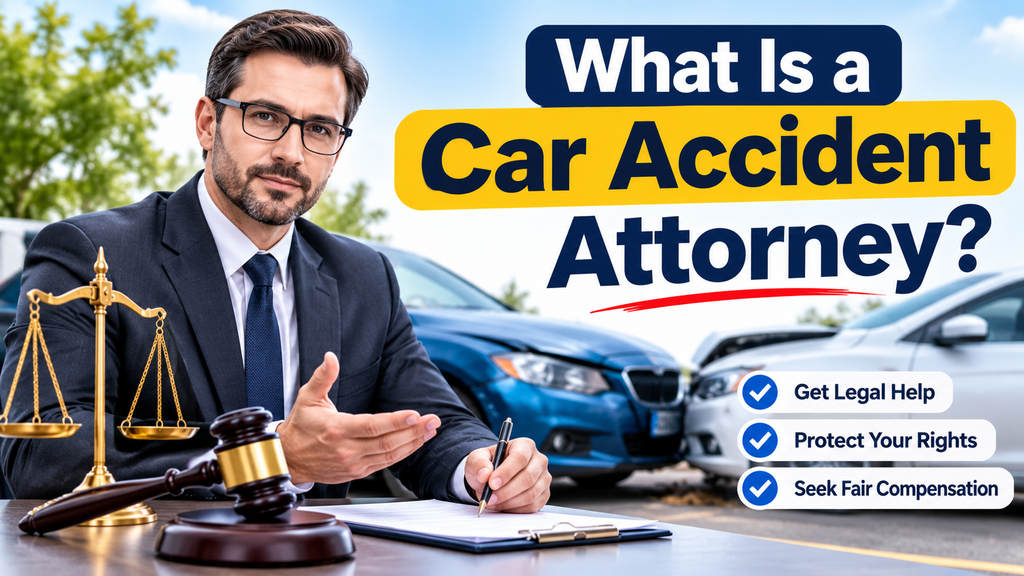
What Is a Car Accident Attorney?
A car accident attorney is a lawyer who helps people understand legal issues related to motor vehicle collisions. Many of these attorneys work in personal injury law, which may involve claims for injuries or losses caused by another party’s negligence.
Depending on the circumstances and applicable state law, an attorney may help a client:
- Understand their legal options after a collision.
- Review insurance policies and claim-related documents.
- Gather relevant evidence, such as accident reports and medical records.
- Communicate with insurance companies.
- Evaluate potential damages.
- Negotiate a possible settlement.
- Prepare for court proceedings if a lawsuit becomes necessary.
Nevertheless, hiring a lawyer does not guarantee a settlement or a favorable court result. Every case depends on its facts, evidence, and the law that applies.
When Should You Consider Hiring a Car Accident Lawyer?
Not every minor accident requires legal representation. For example, if there are no injuries, the responsibility for the accident is clear, and the insurance company is handling the property damage claim fairly, some people may be able to manage the process themselves.
On the other hand, consulting an attorney may be worth considering in more complicated situations.
1. You Have Serious or Ongoing Injuries
If a collision results in significant injuries, medical treatment, rehabilitation, or an extended period away from work, the claim may involve several types of financial losses. An attorney can help explain how these losses may be considered under the applicable law.
2. The Fault for the Accident Is Disputed
Sometimes, the drivers or insurance companies disagree about who caused the collision. In these situations, evidence such as police reports, photographs, witness statements, and other available records may become important.
A qualified attorney can review the circumstances and explain the legal options available.
3. The Insurance Company Disputes Your Claim
An insurer may question responsibility, the extent of the injuries, or the value of a claim. If you are having difficulty understanding the insurer’s position, a car accident lawyer may help you evaluate the dispute and understand the next steps.
4. You Receive a Settlement Offer
Before accepting a settlement, it is important to understand what the agreement covers and whether it may affect your ability to pursue additional compensation later. An attorney can review the terms and explain possible consequences.
5. The Accident Involves Multiple Parties
Some collisions involve several vehicles, commercial drivers, or other potentially responsible parties. These cases can require additional investigation and a careful review of insurance coverage.
How to Find the Best Attorney Car Accident Victims Can Consider
Choosing the right attorney requires more than looking at advertisements or selecting the first name in search results. Instead, compare multiple legal professionals and focus on factors that may help you make an informed decision.
1. Look for Relevant Car Accident Experience
One of the most important factors is experience with cases similar to yours. An attorney who regularly handles motor vehicle injury claims may be familiar with common insurance issues, evidence requirements, and legal procedures.
Ask whether the attorney has handled cases involving circumstances similar to your accident. For example, a rear-end collision, a multi-vehicle crash, and an accident involving a commercial truck may raise different legal questions.
2. Verify the Attorney’s License
Before hiring a lawyer, confirm that they are licensed to practice law in the state where your case will be handled.
You can generally check an attorney’s license through the relevant state bar association or official attorney licensing agency. Also, review any publicly available disciplinary information.
This step helps you verify basic professional credentials rather than relying only on a law firm’s website.
3. Review Client Feedback Carefully
Online reviews may provide useful information about an attorney’s communication, professionalism, and responsiveness.
However, do not rely on one review alone. Instead, look for consistent patterns across multiple reviews and independent sources. Also, remember that reviews may not tell the full story about a lawyer’s ability to handle a specific case.

4. Evaluate Communication
A good attorney should explain legal matters in a way you can understand. During an initial consultation, notice whether the lawyer listens to your concerns and answers your questions clearly.
Ask how often you can expect updates and whether you will communicate directly with the attorney or another member of the legal team.
5. Understand the Fee Structure
Many personal injury attorneys handle qualifying cases through a contingency fee arrangement. Under this type of agreement, the attorney’s fee is generally based on a percentage of a recovery, subject to the written contract.
Nevertheless, fee percentages, case expenses, and payment terms can vary. Therefore, ask for a clear explanation of the arrangement before signing any agreement.
Questions to Ask Before Hiring a Car Accident Attorney
Before choosing the Best Attorney Car Accident cases ke liye suitable lawyer, it is helpful to schedule an initial consultation. Many personal injury law firms offer consultations to discuss the basic details of a potential case.
However, do not hesitate to ask questions. Understanding how the attorney works can help you decide whether they are the right fit.
1. How Much Experience Do You Have With Car Accident Cases?
Ask the attorney how frequently they handle motor vehicle accident claims. You can also ask whether they have experience with cases involving similar injuries or circumstances.
Relevant experience may help you understand how the lawyer approaches investigation, negotiations, and litigation.
2. Who Will Handle My Case?
Some law firms assign cases to a team that includes attorneys, paralegals, and case managers. Therefore, ask who will be your main point of contact and who will be responsible for important decisions.
Knowing this in advance can help avoid confusion later.
3. How Do You Charge for Your Services?
Ask whether the attorney uses a contingency fee arrangement or another billing method. If the fee is contingent on recovery, request a written explanation of:
- The percentage charged.
- Whether the percentage changes if a lawsuit is filed.
- Which case expenses may be deducted.
- What happens if the case does not result in a recovery.
Always review the fee agreement carefully before signing.
4. What Is the Potential Timeline for My Case?
Every accident claim is different. The timeline may depend on the severity of injuries, the availability of evidence, insurance negotiations, and whether court proceedings are required.
An attorney may provide a general estimate, but no lawyer can guarantee an exact completion date.
5. How Will You Keep Me Updated?
Ask whether updates will be provided through phone calls, emails, or another method. Also, find out how quickly the firm usually responds to client questions.
Clear communication can make the legal process less stressful.
Red Flags to Watch for When Choosing a Car Accident Lawyer
Although many attorneys provide professional services, it is still important to carefully evaluate your options. The following warning signs may indicate that you should ask additional questions or consider another lawyer.
Guaranteed Settlement Promises
Be cautious if an attorney guarantees a specific settlement amount or promises that you will definitely win. The outcome of a legal claim depends on evidence, applicable law, and other factors.
Unclear Fee Agreements
If a law firm does not explain its fees or case expenses clearly, ask for clarification before signing. A written agreement should describe the payment terms.
Poor Communication
If the attorney repeatedly ignores questions or fails to explain important information, this may be a concern. You should understand how your case will be managed.
Pressure to Sign Immediately
You should have an opportunity to review the agreement and consider your options. Avoid making a decision solely because someone pressures you to sign quickly.
Lack of Verifiable Credentials
Check the attorney’s license and professional standing through official sources. Do not rely only on advertising claims.
Documents to Prepare for a Car Accident Attorney
Preparing relevant documents before a consultation may help the attorney understand your situation. You may not have every document available immediately, and that is okay.
Consider gathering the following items when possible:
- Police or accident report.
- Photographs or videos of the accident scene.
- Pictures of vehicle damage.
- Contact information for witnesses.
- Medical records and bills related to the accident.
- Insurance policy information.
- Correspondence from insurance companies.
- Repair estimates or vehicle damage records.
- Proof of accident-related lost income, if applicable.
- Notes about the accident and any follow-up treatment.
Keep copies of important documents and organize them by date. Furthermore, avoid altering original records.
What Compensation May Be Available After a Car Accident?
Depending on the facts of the case and applicable state law, an injured person may be able to seek different types of compensation.
Medical Expenses
This may include reasonable accident-related medical costs, such as hospital care, doctor visits, medication, or rehabilitation. The availability and calculation of these expenses depend on the claim.
Lost Income
If injuries prevent someone from working, certain lost earnings may be included in a claim. Documentation from an employer or other relevant records may be useful.
Property Damage
A claim may involve the cost of repairing or replacing a damaged vehicle or other covered property.

Pain and Suffering
Some claims may include non-economic damages for physical pain or emotional effects. The rules for these damages vary by jurisdiction and case circumstances.
Important: Compensation is not automatic. Liability, insurance coverage, evidence, and state law can affect whether damages are available and how they are calculated.
Understanding the Car Accident Claim Process
After a vehicle collision, understanding the general claims process can help you prepare for the next steps. Although every case is different, many car accident claims involve several common stages.
Step 1: Gather Relevant Information
Start by collecting available accident-related information. This may include the police report, photographs, witness details, insurance information, and medical records.
Having organized documentation may help an attorney evaluate the circumstances of the collision.
Step 2: Review the Insurance Coverage
Insurance policies may provide different types of coverage depending on the policyholder, state requirements, and accident circumstances.
An attorney can help explain which insurance policies may apply and whether additional legal options should be considered.
Step 3: Evaluate the Evidence
Evidence can play an important role in determining responsibility and evaluating a claim. Relevant materials may include accident scene photographs, vehicle damage records, witness statements, and medical documentation.
In some cases, additional investigation may be necessary to understand how the collision occurred.
Step 4: Understand the Potential Damages
A claim may involve medical expenses, lost wages, property damage, or other losses recognized under applicable law.
However, the amount of compensation depends on several factors, including the evidence, liability, insurance coverage, and legal rules.
Step 5: Communicate With the Insurance Company
Insurance companies may request information, documents, or statements during the claims process. It is important to understand what is being requested and how your responses may affect the claim.
If you have legal representation, your attorney may communicate with the insurer on your behalf, depending on the arrangement.
Step 6: Consider Settlement or Litigation
Some claims are resolved through negotiations and settlement agreements. Others may require a lawsuit if the parties cannot reach an agreement.
An attorney can explain the possible benefits, risks, and procedures associated with each option. Nevertheless, the final decision should be made after understanding the specific circumstances of the case.
Why Legal Experience Matters in Car Accident Cases
Legal experience can be an important consideration when selecting an attorney. A lawyer familiar with motor vehicle accident claims may better understand the common issues that arise during insurance negotiations and legal proceedings.
Knowledge of State Laws
Car accident laws differ among states. For example, rules concerning negligence, comparative fault, insurance requirements, and filing deadlines may vary.
An attorney who practices in the relevant jurisdiction can help explain how these rules may affect your case.
Understanding Insurance Disputes
Insurance claims can involve questions about policy limits, coverage exclusions, liability, and the value of damages.
An experienced attorney may be familiar with these issues and can help you understand the available options.

Evidence Evaluation
A lawyer may review accident reports, medical documentation, photographs, and other records to identify relevant evidence.
Depending on the circumstances, additional information may be needed to support a claim.
Negotiation and Legal Procedures
Attorneys who regularly handle accident claims may be familiar with settlement discussions and court procedures. However, experience alone does not guarantee a particular result.
How to Compare Different Car Accident Attorneys
When reviewing several attorneys, it may be helpful to compare them using consistent criteria rather than relying on advertisements alone.
Experience and Qualifications
Check whether each attorney is licensed and has experience with cases similar to yours.
Communication and Availability
Consider how clearly each lawyer explains the process and whether their communication practices meet your expectations.
Fee Transparency
Review the written fee agreement carefully. Make sure you understand the attorney’s fees, possible expenses, and payment terms.
Client Reviews
Look for consistent feedback about professionalism, responsiveness, and client communication. Remember that reviews are only one source of information.
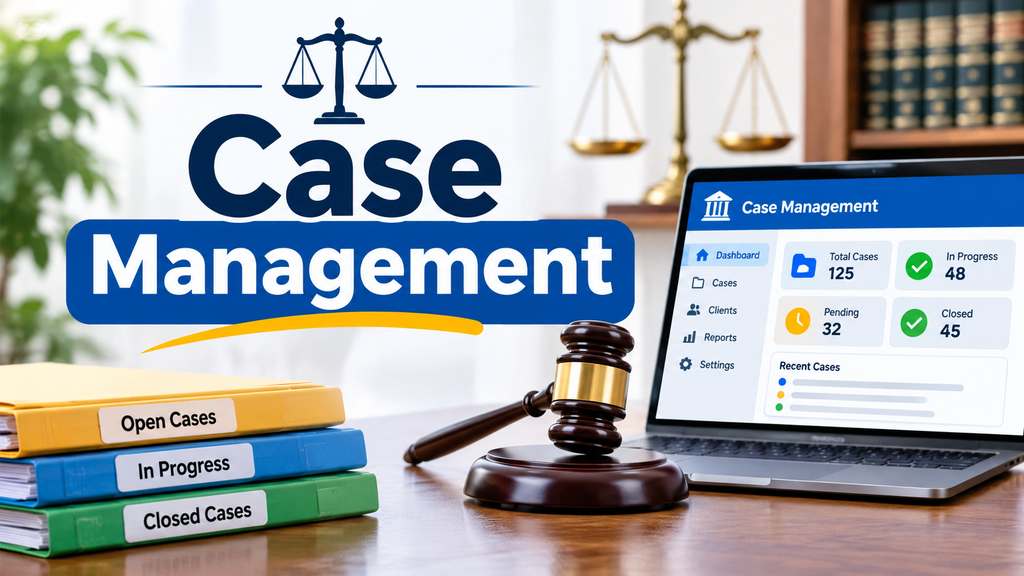
Case Management
Ask how your case will be handled, who will communicate with you, and how updates will be provided.
Comparing these factors may help you make a more informed choice when searching for the best attorney for a car accident case.
Common Mistakes to Avoid After a Car Accident
Taking careful steps after a collision may help protect your interests. Consider avoiding the following common mistakes.
Ignoring Medical Evaluation
If you may have been injured, seek appropriate medical attention. Some injuries may not be immediately apparent, and medical professionals can evaluate your condition.
Failing to Keep Records
Keep available accident reports, medical documents, insurance correspondence, and repair records organized. These documents may be relevant to a claim.
Accepting an Agreement Without Reviewing It
Settlement agreements may contain terms that affect your legal rights. Before signing, make sure you understand the agreement and consider professional advice when appropriate.
Missing Important Deadlines
Legal deadlines can vary by state and claim type. Do not assume that you have unlimited time to pursue a claim.
Choosing an Attorney Based Only on Advertising
Promotional claims do not necessarily reflect an attorney’s qualifications or suitability for your case. Verify credentials and compare relevant experience.
The Importance of Choosing a Qualified Legal Professional
Selecting a qualified attorney is about finding someone whose experience, communication, and professional approach align with your needs.
A car accident claim may involve several complicated issues, including insurance coverage, medical documentation, liability, and financial losses. Therefore, it is helpful to understand the process and ask questions before making a decision.
The Best Attorney Car Accident claimants may consider is not necessarily the lawyer with the most advertisements or the biggest promises. Instead, focus on verifiable qualifications, relevant experience, transparent fees, and clear explanations.
Final Thought
Finding the Best Attorney Car Accident victims can trust requires careful research and thoughtful comparison. After a collision, it is understandable to feel overwhelmed by medical concerns, vehicle damage, insurance communications, and potential legal questions.
However, taking time to evaluate your options can help you make a more informed decision. Start by checking the attorney’s license and experience with car accident cases. Then, review their communication practices, fee agreement, and approach to handling claims.
Furthermore, remember that the right attorney should explain your legal options clearly, provide realistic expectations, and help you understand the process without making unsupported promises.
Every car accident case is different, and legal rules vary by state. Therefore, if you have been involved in a collision with injuries or a complicated claim, consider consulting a qualified attorney in the relevant jurisdiction.
Ultimately, choosing a legal professional based on verified credentials, relevant experience, and transparent communication may help you navigate the claims process with greater confidence.
Frequently Asked Questions (FAQs)
1. How can I find the best attorney for a car accident?
To find a suitable attorney, check their license, relevant experience, communication style, client feedback, and fee structure. Additionally, consider consulting more than one lawyer before making your decision.
2. What type of lawyer handles car accident cases?
Personal injury attorneys commonly handle car accident cases involving injuries, negligence, and compensation claims. However, the type of legal professional you need may depend on the circumstances of your accident.
3. Is it worth hiring a car accident attorney?
Hiring an attorney may be helpful when an accident involves serious injuries, disputed liability, complicated insurance issues, or significant financial losses. For minor accidents, legal representation may not always be necessary.
4. How much does a car accident attorney charge?
Many personal injury attorneys use contingency fee arrangements, meaning their fee is generally based on a percentage of the recovery. However, fee percentages and case expenses vary. Always review the written agreement before hiring a lawyer.
5. Can a car accident attorney help with insurance claims?
Yes. Depending on the agreement, an attorney may help review insurance coverage, communicate with insurers, evaluate evidence, negotiate a settlement, or pursue legal proceedings when necessary.
6. How long does a car accident claim take?
The timeline depends on the severity of injuries, availability of evidence, insurance negotiations, and whether litigation is required. Some claims may resolve relatively quickly, while others may take considerably longer.
7. What should I do before meeting a car accident attorney?
Gather any available accident reports, photographs, medical records, insurance information, repair estimates, and correspondence. Also, prepare questions about the lawyer’s experience, fees, communication, and case management.
8. Can I change my car accident attorney?
In many situations, a client may change attorneys, subject to applicable laws and the terms of the existing agreement. Before making a change, review any potential fee obligations and consider how the transition may affect your case.
9. What if the other driver does not have insurance?
The available options depend on your insurance policy and the law in your state. Certain policies may include uninsured motorist coverage. A qualified attorney or insurance professional can help explain what may apply to your circumstances.
10. Does the best attorney guarantee a successful case?
No. An attorney cannot reliably guarantee a specific result. Case outcomes depend on the evidence, applicable law, insurance coverage, and other circumstances.
